Equatorial Guinea’s rapid infrastructure growth in sectors such as oil & gas, medical facilities, and commercial buildings requires robust HVAC prefiltration systems. Medium efficiency pocket filters serve as the primary defensive barrier, safeguarding final stage HEPA systems and complex gas turbine intake mechanisms.
Engineered using advanced synthetic non-woven materials, our bag filters offer exceptional dust holding capacity, minimal initial pressure drops, and complete resistance to high humidity. Explore our core range optimized for maritime, offshore, and localized environments.
Whether upgrading offshore cooling configurations on Bioko Island or designing air intake layouts for processing hubs in Bata, our high-surface-area designs reduce energy expenditures and extend service lifespan.
Get Localized Shipping Quote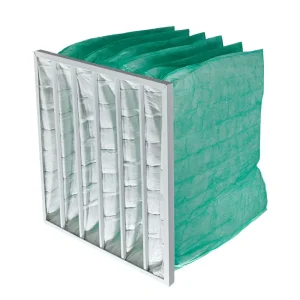
Equatorial Guinea, situated in the Gulf of Guinea near the Equator, presents a complex set of environmental challenges for industrial operations. Key cities such as the island capital of Malabo and the mainland port of Bata feature a wet tropical climate. High relative humidity consistently averaging between 80% and 95%, saline sea mist, and intense seasonal downpours create a corrosive, damp air stream. For standard air filtration installations, these parameters introduce significant mechanical stress.
Conventional fiberglass media, historically common in pre-filtration, exhibits performance loss when subjected to sustained tropical humidity. Moisture absorption softens glass fibers, reducing structural stiffness and leading to pocket sag. Pocket sagging compromises air distribution, causing air bypass and concentrated dust loading zones.
Additionally, high atmospheric salinity in coastal zones like Malabo accelerates galvanic corrosion on filter frames. In offshore gas platforms (such as those at Punta Europa), saline particles combined with hydrocarbons form a sticky, hygroscopic film on media surfaces. This film blocks air pores, leading to sudden, unplanned spikes in pressure drop (resistance). Synthetic non-woven pocket filters, particularly those developed through multi-stage thermal bonding, offer a reliable alternative, keeping moisture from degrading mechanical filter performance.
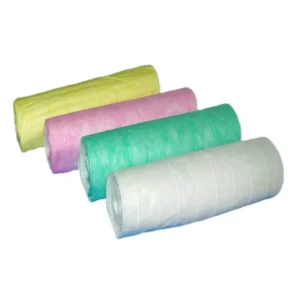
Guangzhou LJF's pocket filters utilize 100% synthetic, break-resistant polyester fibers. Rather than employing a single, uniform media layer, we utilize a progressive density structure. The incoming air stream meets a coarse layer that captures larger particulates (PM10 and larger). As the air penetrates deeper, the density of the fiber matrix increases, capturing finer contaminants (down to PM2.5 and PM1 depending on the filter rating, e.g., M6, F7, or F9).
This graduated design prevents premature surface-clogging. By distributing particulate accumulation throughout the entire depth of the filter wall, the working life of the filter is significantly extended, and energy consumption is reduced due to lower overall resistance.
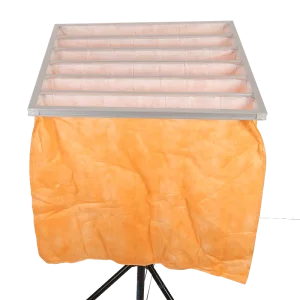
We manufacture customized bag configurations with pocket lengths ranging from 300mm to 900mm to match European and American HVAC system standards.
Guangzhou LJF is a fast-growing manufacturer of air filtration solutions located in Guangzhou, southern China, only 10 kilometers from Guangzhou Baiyun Airport. Our strategic location enables us to efficiently serve domestic and international customers.
We pride ourselves on providing a comprehensive range of air filtration products that meet the diverse needs of a wide range of industries, including electronics manufacturing, semiconductor production, liquid crystal display (LCD) technology, bio pharmaceuticals, food processing, petrochemicals, clean rooms, hospitals, rail transit systems, paint booths, and commercial and residential buildings.
Over the years, we have built strong partnerships with more than 100 customers in more than 30 countries, becoming a trusted supplier of high-quality air filters. Our commitment to excellence and customer satisfaction is the cornerstone of our success, enabling us to provide effective air filtration solutions that meet our customers' stringent requirements.
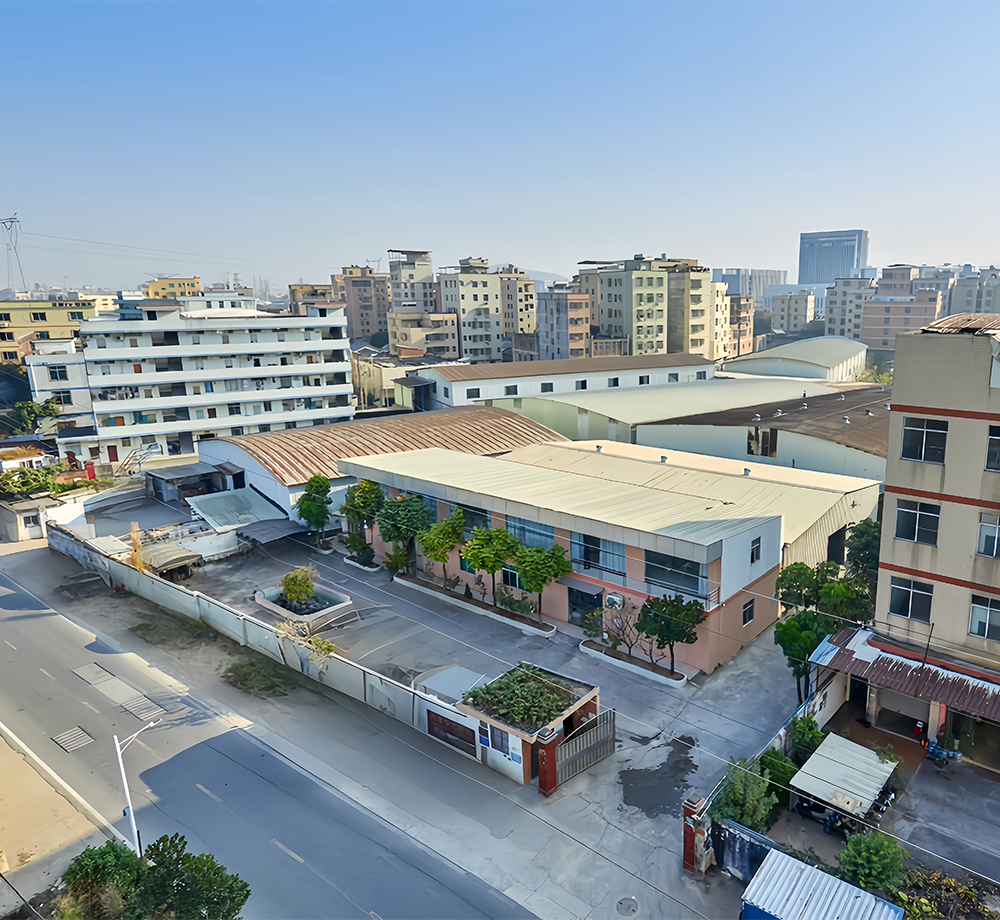
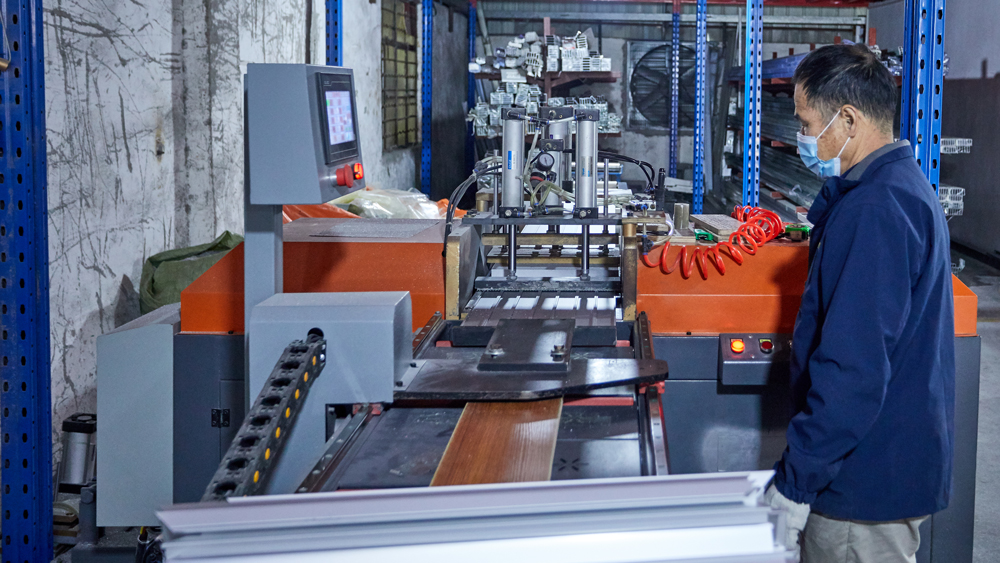
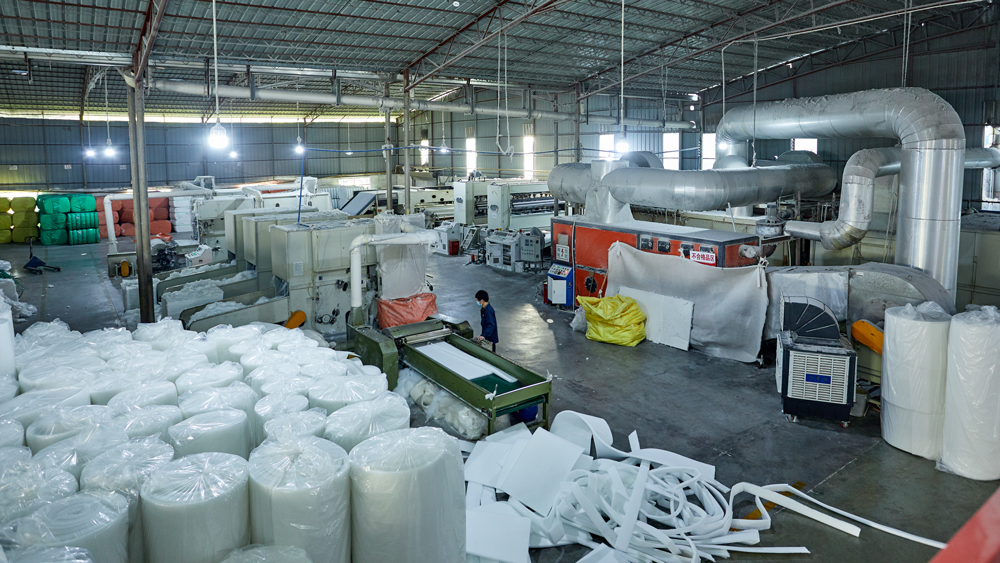
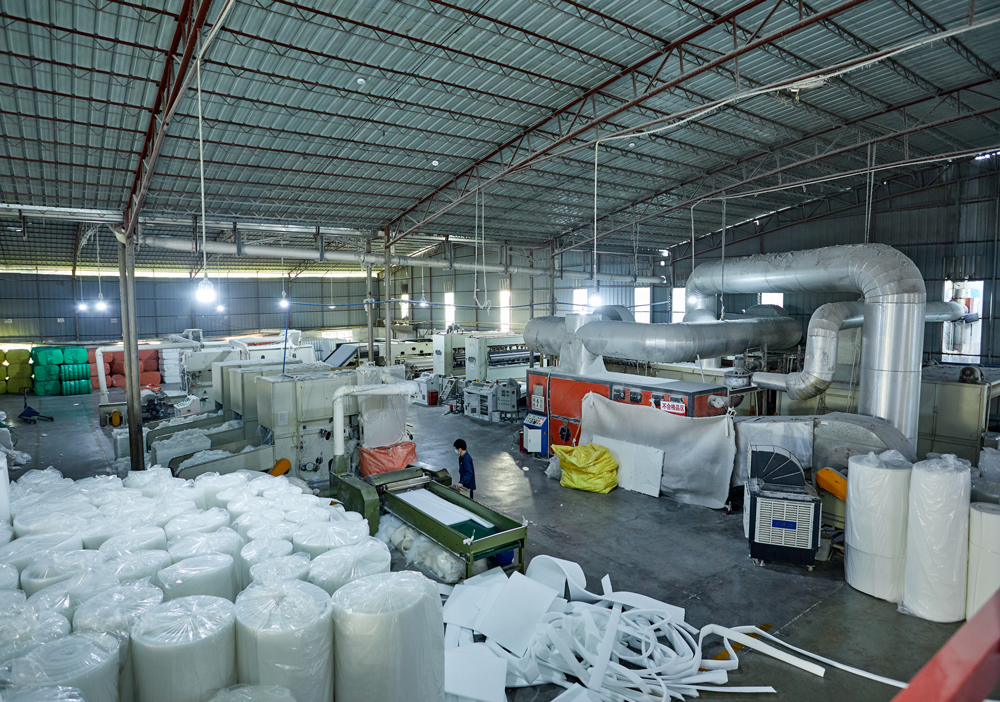
To ensure consistent structural integrity and dust separation efficiency, Guangzhou LJF controls every manufacturing phase internally. This end-to-end approach guarantees that all pocket filters exported to Equatorial Guinea meet global quality standards.
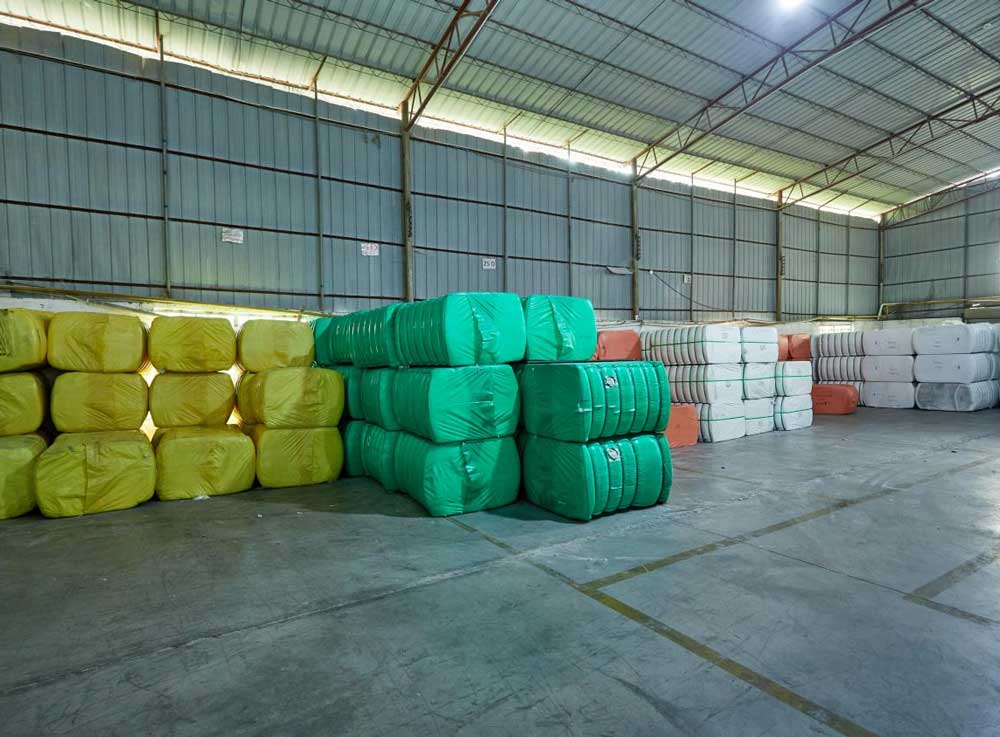
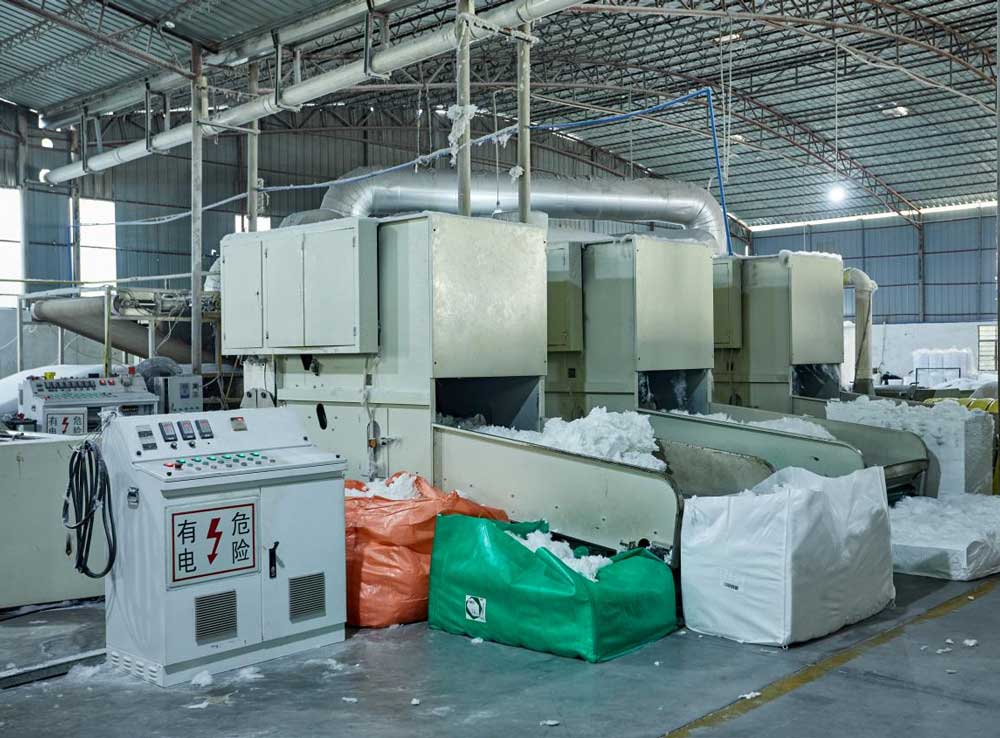
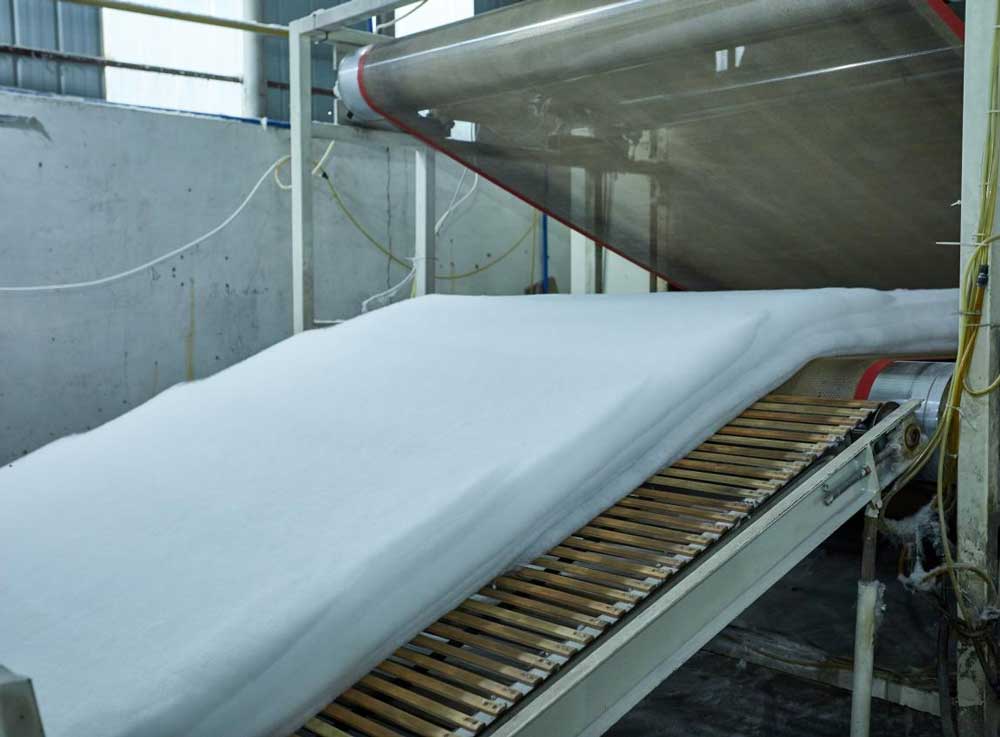
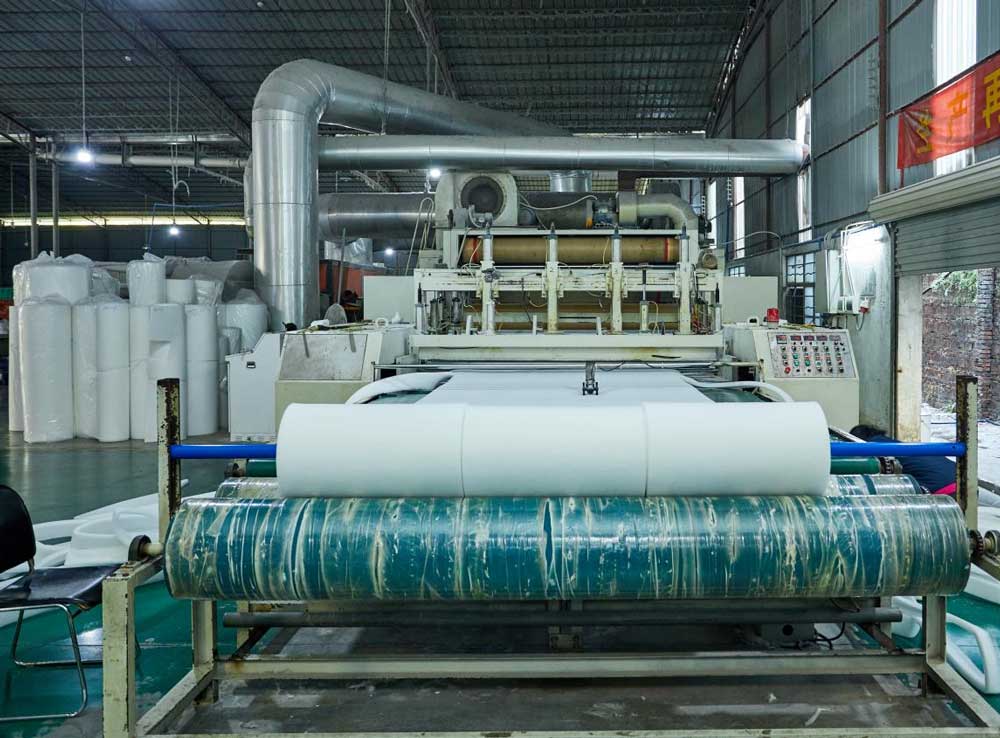
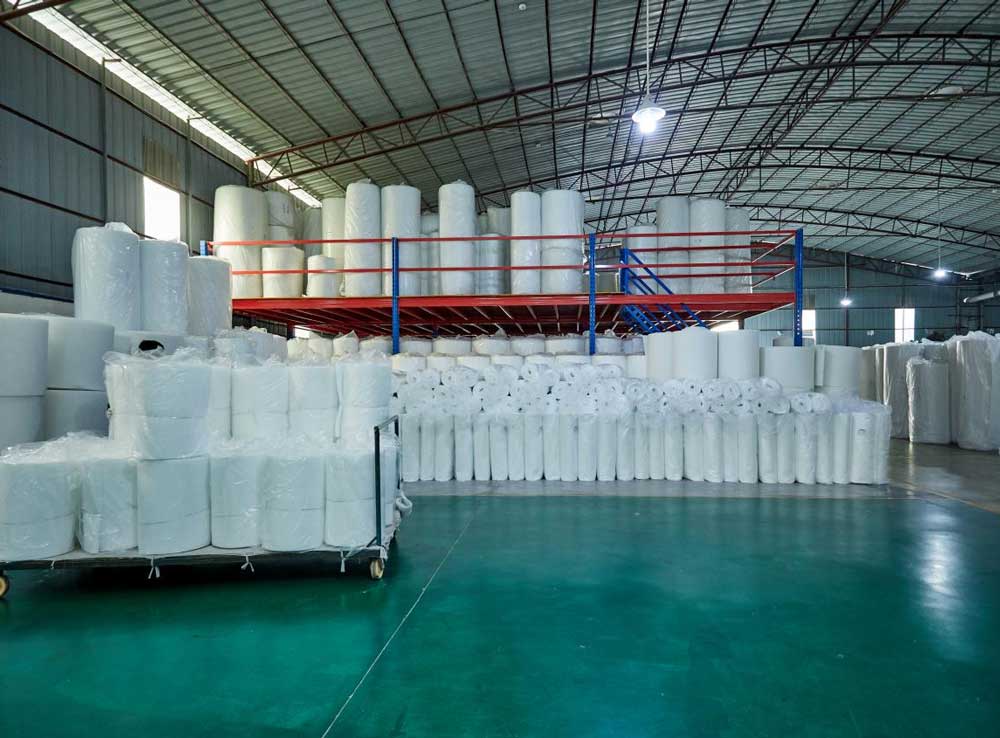
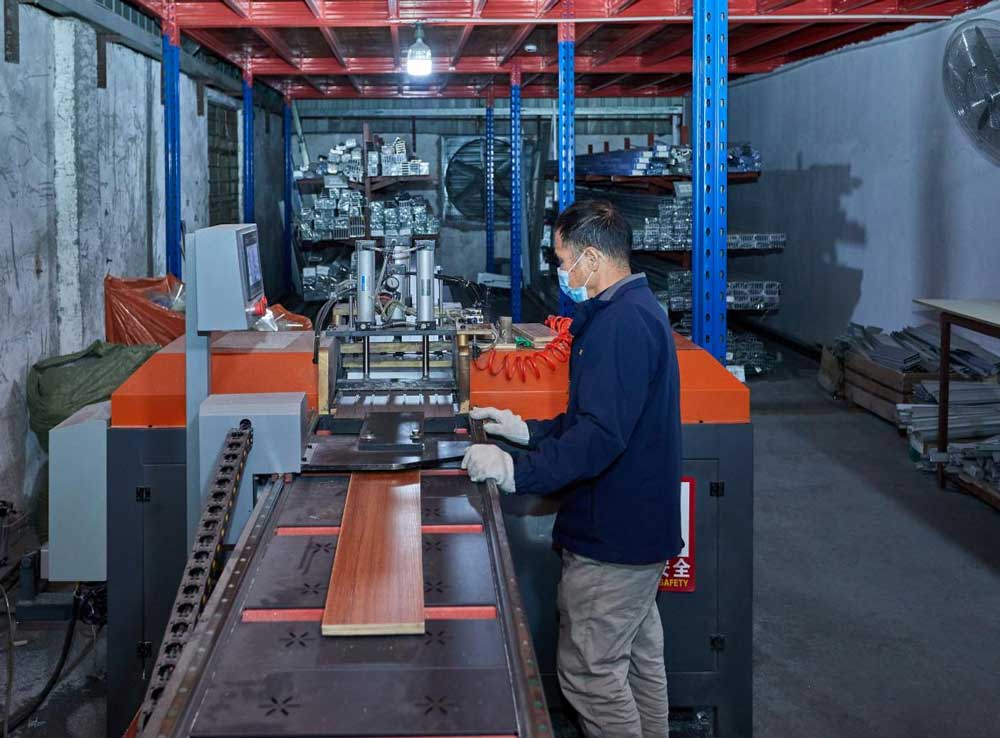
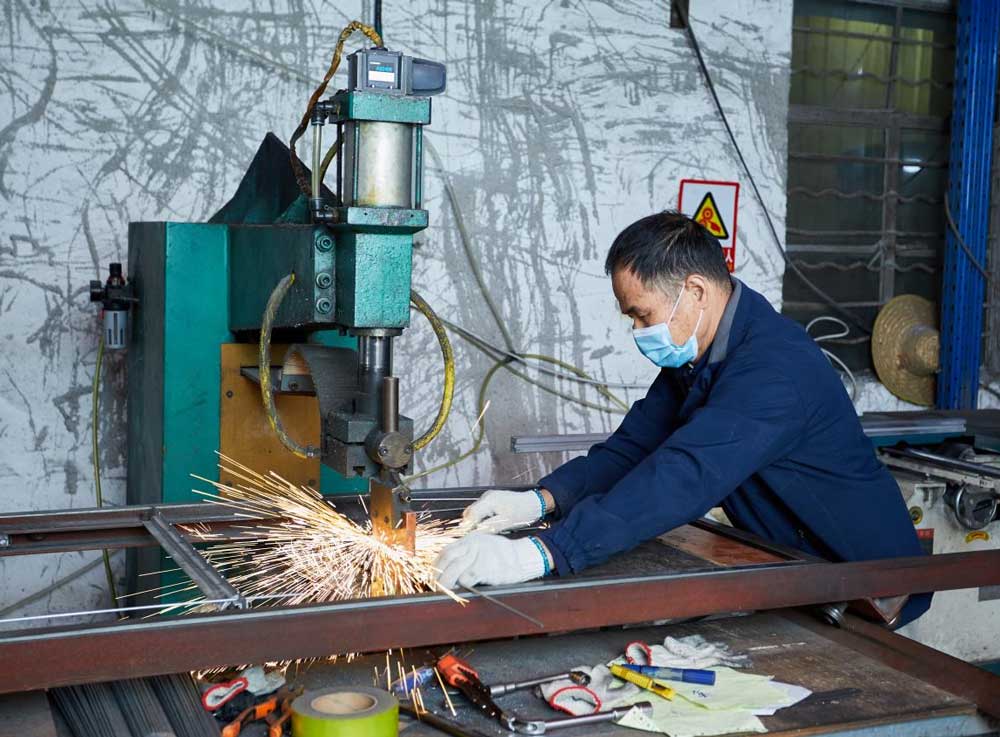
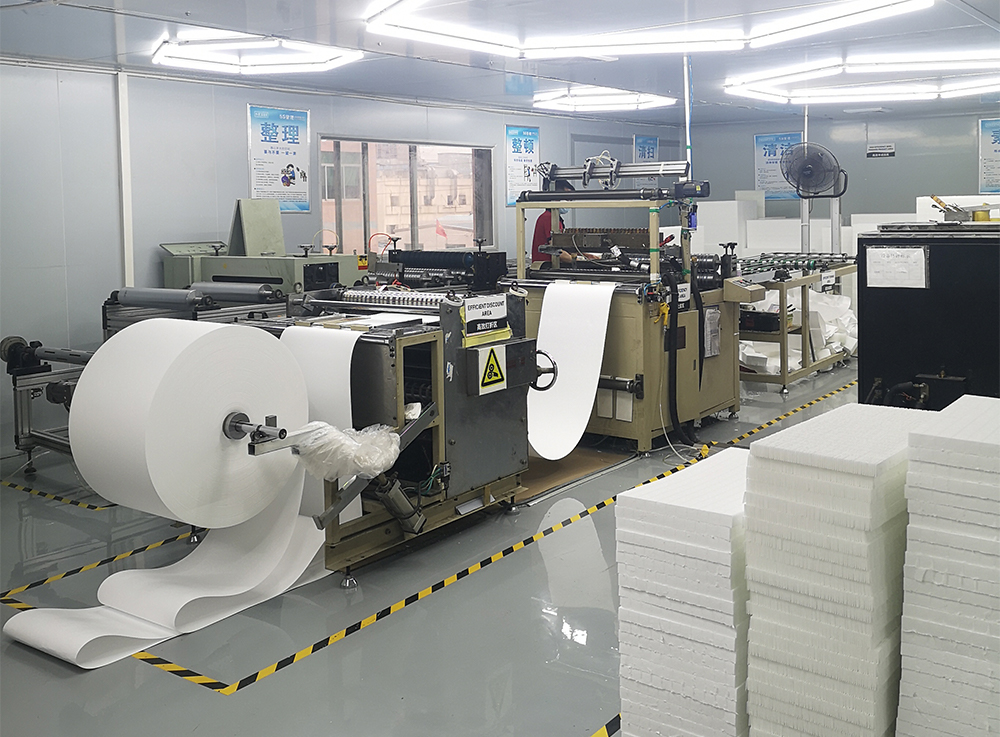
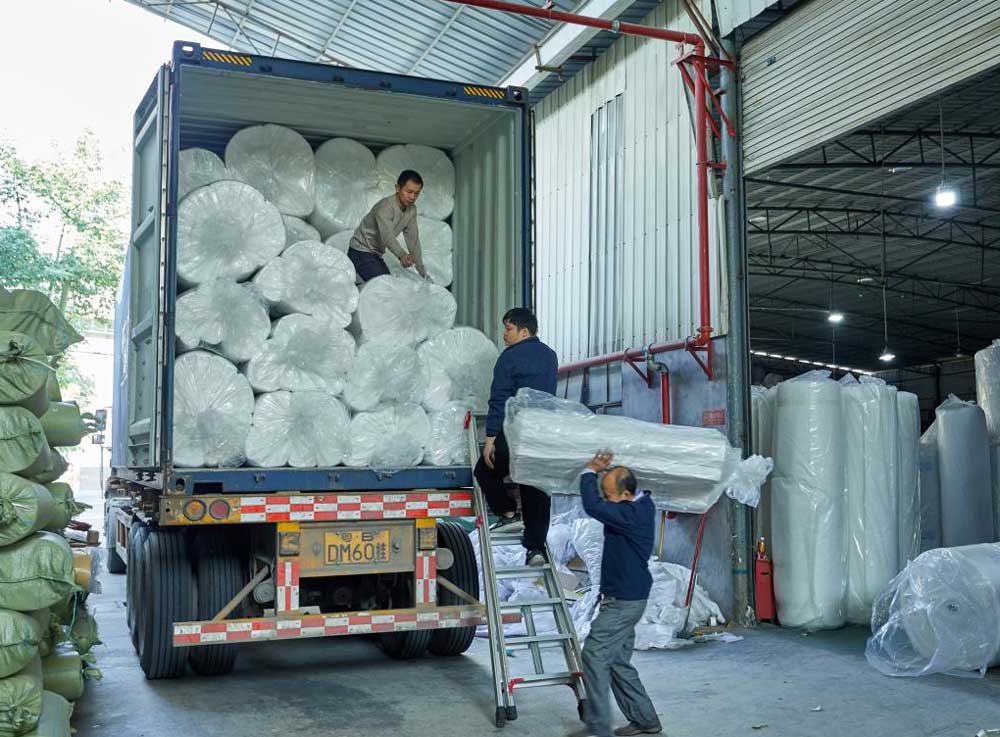
The global air filtration supply chain demands cost-effectiveness, high performance, and rapid lead times. Standard industrial designs often suffer from supply bottlenecks or inflated freight charges. Guangzhou LJF addresses these challenges through optimized production practices and a strategic export location.
By locating our manufacturing plant in Guangzhou's industrial corridor, we leverage direct access to premium-grade raw synthetic polymers, high-precision automated pocket forming lines, and ultrasonic welding systems. This high degree of automation maintains structural integrity across production batches and lowers per-unit costs compared to localized assembly in smaller markets.
Our facility is located just 10 kilometers from Guangzhou Baiyun Airport (CAN) and close to the ports of Guangzhou and Shenzhen. This proximity allows for streamlined logistics, enabling us to expedite express shipments or standard ocean freight containers directly to Bata Port or Malabo Port, minimizing downtime during critical facility maintenance cycles.
Our premium products are crafted to enhance indoor air quality, lower maintenance expenses, and optimize the overall operating efficiency of centralized HVAC systems.
We optimize our manufacturing and material sourcing to keep pricing competitive without compromising product quality, helping customers lower facility maintenance expenses.
Leveraging over 10 years of industrial experience, our engineering team customizes pocket sizes, pocket counts, media weights, and frame styles to suit unique HVAC air handler requirements.
Pocket air filters are classified in accordance with international standards, primarily ISO 16890 and EN 779:2012. Under EN 779, intermediate systems are divided into M5, M6, F7, F8, and F9 classes. Under the newer ISO 16890 standard, they are evaluated against particulate matter sizes: ePM10, ePM2.5, and ePM1.
The choice of pocket filter class depends on the specific requirements of the downstream application:
To maintain low resistance, pocket filters require uniform air distribution across the media surface. Uncontrolled pocket ballooning can cause individual bags to press together, blocking the air lanes between them.
Guangzhou LJF pocket filters address this issue by incorporating internal spacer strips or continuous sonic weld lines. These features guide air flow evenly along the pocket depth, preventing ballooning. This design ensures the entire filter surface area remains functional, reducing turbulence and lowering fan power consumption.
Filter bypass occurs when unfiltered air leaks around the filter frame due to poor sealing or structural flexing. Even minor air bypass can compromise downstream air quality and contaminate final HEPA stages.
To prevent bypass, LJF filters utilize rigid galvanized steel, aluminum, or injection-molded ABS frames. The synthetic pockets are securely bonded to the frame headers using a specialized polyurethane sealant, creating a leak-proof barrier that maintains its seal even under fluctuating air velocities.
Our comprehensive collection of synthetic media, carbon-infused options, and specialized paint collectors are engineered to withstand the demanding humidity and salinity of Equatorial Guinea's coastal environments.
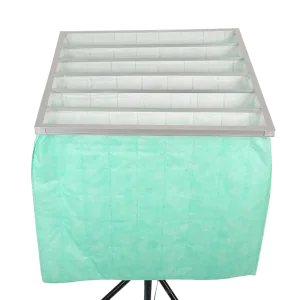
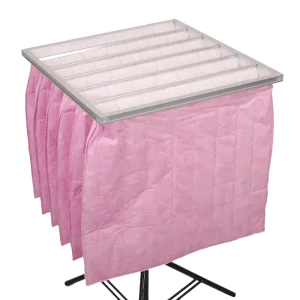
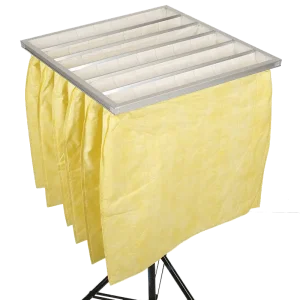
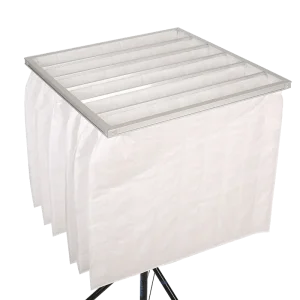
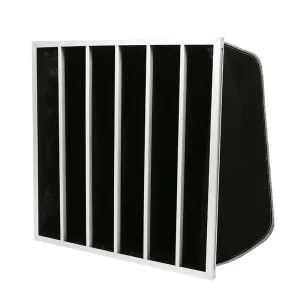
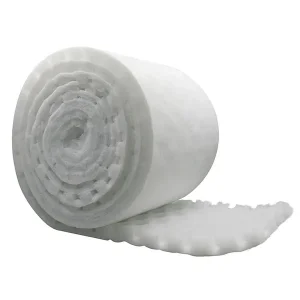
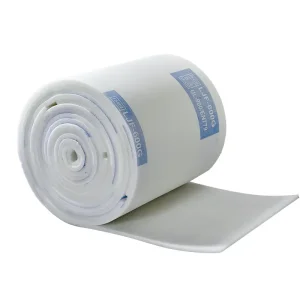
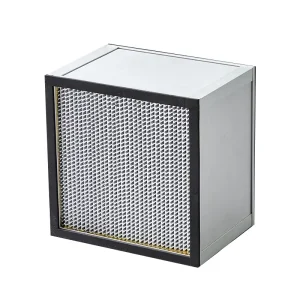
Our air purification equipment and custom-designed replacement filters are utilized in high-grade facilities worldwide, satisfying stringent dust, particulate, and chemical filtration protocols.





Find answers to technical queries regarding pocket filter applications in coastal, high-humidity, and marine environments.
In tropical climates with high relative humidity (above 80%), fiberglass media can absorb moisture, leading to pocket sagging. This sagging increases air resistance and can cause air bypass. In contrast, synthetic polyester media is hydrophobic, resisting moisture absorption to maintain its shape and filtration performance under high humidity.
We seal all pockets into galvanized steel, aluminum, or polyurethane header frames using high-tack polyurethane sealants. This prevents air bypass at the pocket-frame interface, ensuring that the air stream is directed entirely through the media matrix even during variations in system pressure.
Depending on particulate concentrations and environmental conditions, pre-filters typically require replacement when the pressure drop reaches double the initial pressure drop or between 200–250 Pa. Under tropical coastal conditions, this threshold is generally reached within 4 to 6 months of continuous operation.
Yes, we customize pocket depths, widths, header thicknesses (typically 20mm or 25mm), and pocket counts. We can configure designs with 3 to 12 pockets to match European, American, or Asian equipment footprints, helping to optimize media area and pressure drop.
Get in touch with our design engineers for detailed drawings, laboratory filtration test datasets, or custom product pricing for your project.
 LJF Air FILTER